In the modern world, where every detail matters, cone flower bags play a significant role in highlighting the beauty and freshness of floral compositions. These packages not only ensure convenience in transportation and sale of flowers but also serve as an effective marketing tool, allowing companies to stand out among competitors.
Types of Cone Bags
Transparent Cone Bags: These bags are made from high-quality transparent BOPP film (biaxially-oriented polypropylene), which provides excellent clarity and shine. They are ideal for cut flowers, allowing their beauty and freshness to be fully displayed.
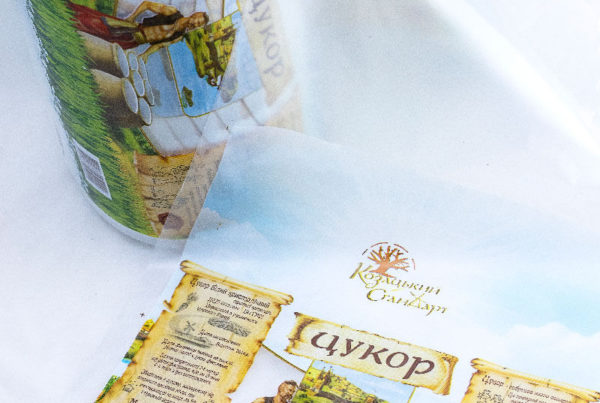
Printed Cone Bags: These bags feature printed elements in up to 8 colours, allowing for logos, brand colours, or any other information to be added, increasing brand recognition. They are an excellent choice for companies looking to stand out in the market.
Perforated Cone Bags: Perforation helps maintain the necessary moisture level inside the bag, which is especially important for the long-term storage of flowers. This ensures better air circulation and helps prevent condensation.
Each characteristic of cone bags/bags has its unique properties and advantages. The choice depends on the specific needs of your business, including the type of flowers you sell, your marketing strategy, and environmental preferences. By choosing the right type of cone bag, you not only ensure proper protection for your flowers but also improve the overall perception of your brand among consumers.
Materials used for the production of cone bags for flowers typically include:
BOPP Film (Biaxially-Oriented Polypropylene): Known for its high clarity, shine, and excellent appearance. BOPP is tear-resistant, has good dielectric properties, and barrier characteristics against vapour, gas, and odours. A special copolymer layer applied by co-extrusion ensures excellent sealing. BOPP is used for flexographic printing, lamination, decorative wrapping, flexible packaging materials for food products and everyday goods, labels, and tape.
CPP (Cast Polypropylene Film): This material is distinguished by its high mechanical strength, elasticity, clarity, and attractive appearance. It is resistant to acids and fats and suitable for thermal welding, metallization, and all types of printing. The film allows for the sterilization of packaged products without using preservatives, and it can be applied with micro-perforation for packaging hot products.
High-Density Polyethylene (HDPE): Characterized by high tensile strength, impact resistance, and tear resistance, does not allow water and vapour penetration. It has high resistance to acidic and alkaline environments, inorganic solvents, fats, and hydrocarbons. HDPE is a tasteless and odourless material, making it ideal for food packaging.
Low-Density Polyethylene (LDPE): Produced under low pressure, it has high tensile strength but less impact and tear resistance compared to HDPE. LDPE is characterized by low water permeability and good resistance to fats and oils.
Multilayer Films: There can be many variations of different film combinations and 2 or more layers. In multilayer films, their choice or the number depends on the specific goals of the customer.
These materials were chosen for their high functionality and adaptation to the needs of flower packaging. They provide not only an aesthetic appearance but also protect the product from external influences, extending its shelf life. The choice of bags for flowers varies significantly depending on the type of flowers: whether they are cut flowers or potted flowers. Each type of flower has its unique packaging requirements, which affect the preservation of freshness, ease of transportation, and product presentation.
Cut Flowers
For cut flowers, it’s important to ensure the plant’s access to moisture if the flowers are transported in vases and to maintain an optimal atmosphere so they remain visible and attractive to buyers. It’s also important that the material of the bag provides sufficient air exchange to keep the flowers fresh for longer. Perforated bags can be useful for providing the necessary ventilation.
 Potted Flowers
Potted flowers require a different approach to packaging, as they need to be protected from mechanical damage during transportation. The material for such bags is often chosen to be thicker and stronger, but most importantly, it must attract potential buyers’ attention when the flowers stand on display for a long time.
Packaging for potted flowers may also have special holes for draining excess moisture, helping to prevent root rot. The availability of convenient handles or special slits for easy carrying is also important.
Fresh Greens
Fresh greens in pots have the same requirements as potted flowers, needing protection from mechanical damage during transportation and brand promotion.
Packaging for potted flowers may also have special holes for draining excess moisture, helping to prevent root rot. The availability of convenient handles or special slits for easy carrying is also important.
General Recommendations
When choosing bags for flowers, regardless of their type, it’s also important to consider the possibility of printing on the packaging. This can be useful for branding and marketing purposes. High-quality printing can enhance the attractiveness of the product and make it more recognizable among competitors.
Thus, the choice of packaging for flowers depends on many factors, including the type of flowers, the need to protect the product, as well as marketing and brand requirements. It’s important to find an optimal solution that takes all these aspects into account.
Standard sizes of cone bags for flowers can vary significantly depending on the needs of customers and the characteristics of the flowers. Therefore, manufacturers generally choose sizes that best suit different types of flowers, including both small plants and large wholesale packages.
For cut flowers, bags/bags that allow the stems of the plant to stay in the water, or form the most ergonomic shape are typically needed. Cone bags for cut flowers must have parameters such as the width of the top part, the width of the bottom part, the height of the bag, and the thickness of the film used for manufacturing, which can provide the necessary strength and clarity.
For potted flowers, important parameters that provide sufficient support and protection for the plant are needed. For potted plants, it’s very important that the packaging, namely cone bags, attract buyers’ attention and highlight the beauty of the plant.
Packaging for flowers often adapts to specific customer needs, including individual sizes and designs that reflect the brand or specificity of the event. Therefore, when choosing standard sizes of cone bags for flowers, it’s recommended to consult with packaging manufacturers for detailed advice and selection of the optimal solution that best meets your business needs.
Accelerating the manual packaging process of flowers is possible thanks to the use of specialized cone bags that contain additional elements that simplify and speed up the packaging process. Here are some key elements and technologies that help optimize this process:
Valve: Cone bags pre-assembled on the valve significantly simplify the packaging process, as they do not require additional time for preparing the bag and free up hands. This is useful for packaging both cut flowers and those in pots.
Separating the bag/sack from the pack ensures the presence of a perforation.
Using cone bags with these additional elements allows for the effective optimization of the workflow, reducing the time spent on packaging each floral product. This not only increases labour productivity but also ensures a higher quality final product for customers.
Perforated printed bags for flowers offer several advantages, making them an ideal choice for the floristry business and retail trade. Here are some key benefits:
Improved air exchange and moisture removal: Perforation allows air to circulate inside the bag and excess moisture to be removed, which is critically important for preserving the freshness of cut flowers. This helps extend their storage life and reduces the risk of fungal diseases.
Marketing efficiency and branding: Printing on bags provides additional marketing opportunities, allowing for logos, contact information, and promotional messages to be applied. This not only improves brand recognition but also creates additional value for consumers.
Higher attractiveness of the product: Perforated bags with high-quality printing make the product more attractive on store shelves. This helps attract buyers’ attention and stimulates impulse purchases.
Environmental friendliness: The use of BOPP bags can also contribute to environmental friendliness, as they are recyclable. This makes them more attractive to eco-conscious consumers.
Versatility in use: Perforated bags are suitable not only for cut flowers but also for potted flowers, providing the necessary level of ventilation and moisture that contributes to preserving their freshness and attractiveness until the moment of sale.
Convenience in transportation: Perforation helps reduce the risk of condensation inside the bag during transportation, providing better protection for flowers from possible damage.
The use of perforated printed bags for flowers is an effective solution that takes into account the needs of both the business and consumers, providing solutions for product preservation, marketing, and eco-friendliness.
In the production of cone bags for flowers, a variety of equipment is used, each element of which plays its role in creating high-quality and attractive packaging. Here are some key types of equipment:
Flexographic machines: Used for printing on the film, which serves as the material for the bags. Flexography allows for high-quality printing of various designs and information on the surface of the bags. Machines, such as Flexotechnika Tachys, provide high printing speed and excellent image quality.
Perforation machines: Used to create micro-holes in the film, providing the necessary air exchange inside the bag. A perforation helps maintain the optimal microclimate for flowers, extending their storage life.
Lamination equipment: Used to apply a protective layer to the film, improving its strength and appearance. Lamination also protects the print from abrasion and moisture.
Sealing equipment: Used to form bags by sealing their edges. Modern machines allow for high-precision sealing, ensuring the strength and airtightness of the packaging.
Slitters: Used to cut rolls of film into separate sheets or strips, which will then be used to make bags. This allows for precise control of the bag sizes and saves material.
Equipment for folding the film into a semi-sleeve: Used to prepare the film for the further bag manufacturing process, allowing for the formation of the required configuration from the film.
Each stage of production requires specialized equipment, ensuring the high quality of the final product and the efficiency of the production process. The choice and setup of equipment depend on the specific requirements for the bags, including material, sizes, type of print, and other characteristics.
Before ordering cone bags for flowers, businesses should consider several important aspects to ensure that their order meets their needs and requirements. Here are some key factors to consider:
Minimum order quantity: Understanding the minimum order quantity will help plan the budget and purchase volumes. Different minimum volumes may be set for bags with different types of print or materials.
Materials: The choice of material affects the appearance, functionality, and cost of the bags. Popular options include BOPP for its clarity and shine, as well as various types of polyethylene depending on the required strength and flexibility.
Sizes and film thickness: It’s important to discuss with the manufacturer the required bag sizes and film thickness to ensure optimal protection and presentation of the flowers.
Printing: If planning to apply a logo or any design on the bags, it’s necessary to clarify the printing capabilities, the number of colours that can be used, and any additional costs associated with printing.
Additional options: Some bags may have additional options, such as perforation for ventilation, bottom sealing for extra strength, technical holes for moisture removal, and others. Identifying these needs at the beginning of the process will help avoid misunderstandings.
Cost and payment terms: Clarifying the total cost of the order, including production, printing, and delivery, is critically important. It’s also important to discuss payment terms to ensure agreement between both parties.
Production and delivery times: Clarifying the production and delivery time frames will help plan logistics and ensure that the product is received on time to meet business needs.
By considering these aspects, companies can ensure that their order for cone bags for flowers will be executed according to their expectations and requirements, optimizing costs and ensuring product quality.
In this article, we have examined the key aspects related to the production and use of cone bags for flowers, which are important for businesses specializing in the flower market, greenhouse complexes, and companies selling packaged greens. From the types and materials of bags to the specifics of the production process and marketing strategies, each element is important for ensuring product quality and meeting the needs of the end consumer.
We have detailed the variety of cone bag types, their materials, and their properties, which provide optimal conditions for flowers, increasing their shelf life and presentation attractiveness. We have also highlighted the importance of choosing the right bags considering the type of flowers, standard sizes for different needs, methods to accelerate packaging, and the benefits of using perforated bags with printing.
An important part of the effective use of cone bags is understanding the production process, including the selection of equipment and adherence to quality standards. Businesses need to consider all details before ordering this product, including minimum volumes, materials, design, and technical requirements, to maximize the efficiency of bag use and ensure high customer satisfaction.
In conclusion, cone bags for flowers are not just packaging but an important marketing tool and product preservation instrument that requires a careful approach to selection and use. With this in mind, companies can significantly improve the efficiency of their operational processes, enhance product quality, and strengthen their market position.