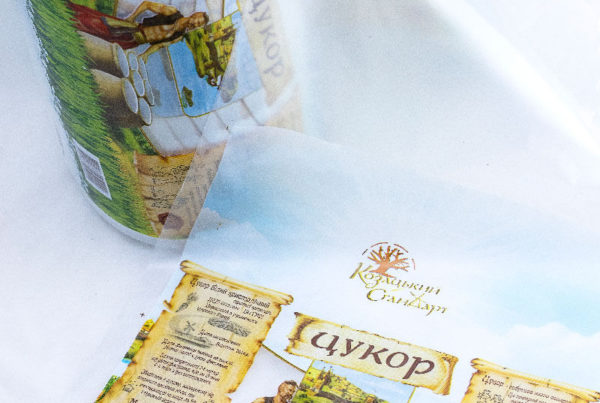
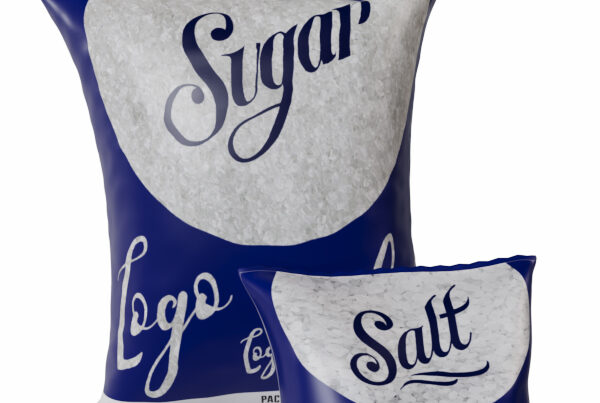
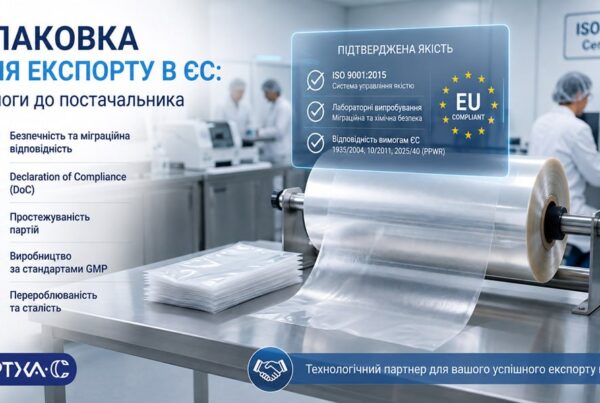
In today’s world, where competition among packaging manufacturers and printing companies is growing daily, the importance of high-quality printing on BOPP film cannot be overstated. This material combines excellent barrier properties, strength, and transparency, making it an ideal choice for many types of packaging, including food products, cosmetics, and pharmaceuticals. Through flexographic, gravure, and digital printing, BOPP film becomes not only protective but also an effective marketing tool, helping brands stand out on supermarket shelves.
Brief Overview of the Importance of Printing on BOPP Film in Modern Packaging
Printing on BOPP film is a key element of modern packaging, allowing the combination of high-quality protective functions with an attractive design. This technology enables manufacturers to create packaging that not only protects products from external influences but also stands out among competitors on store shelves. This is especially relevant for companies working with food products, cosmetics, and pharmaceuticals, where the reliability and aesthetics of packaging play a crucial role.
Relevance of the Topic for Packaging Manufacturers and Printing Companies
In an environment of constant technological development and increasing consumer demands, packaging manufacturers and printing companies face challenges in ensuring the quality and appeal of their products. Printing on BOPP film offers them the opportunity to meet these needs by providing reliable and effective packaging that meets modern standards of environmental friendliness, safety, and aesthetic appeal. For companies striving to stand out in the market, investing in high-quality printing on BOPP film becomes an integral part of their strategy.
Printing on BOPP Film as a Tool for Enhancing the Quality and Competitiveness of Modern Packaging
Printing on BOPP film is an important tool for enhancing the quality and competitiveness of modern packaging. It allows the combination of the film’s strength, transparency, and barrier properties with an attractive design, making products more recognizable and appealing to end consumers. Additionally, such packaging solutions meet modern environmental requirements, which is an important factor for conscious brands and consumers.
What is BOPP Film?
BOPP (Biaxially Oriented Polypropylene) film is a multifunctional material widely used in packaging due to its unique characteristics. It is noted for its high transparency, elasticity, and tear strength, allowing it to be used even in the most challenging conditions. BOPP film also has excellent barrier properties, protecting products from moisture, gases, and external odors.
Main Characteristics of BOPP Film
- Transparency: Provides excellent visibility of the packaged product, which is particularly important for food and cosmetic products.
- Elasticity and Strength: The film is easy to process and withstands significant loads, allowing for the reduction of material thickness without losing strength.
- Barrier Properties: BOPP film protects the product from moisture and other external influences, ensuring a longer shelf life.
Types of BOPP Film
BOPP film comes in various types, each with its unique properties, allowing it to be used in different industries:
- Transparent: The most common type, providing maximum visibility of the product.
- White: Used for additional protection from light and for improving packaging design.
- Pearlescent: Has a glossy effect, adding aesthetic appeal to the packaging.
- Metallized: Provides additional protection from light and moisture.
- Matte: Used to create packaging with a matte effect, enhancing its aesthetic appeal.
Types of Printing on BOPP Film
- Flexographic Printing: This type of printing is ideal for applying images to BOPP film. Flexography allows the use of water-based inks, making the process more environmentally friendly, and provides high flexibility for printing on various materials. Examples of applications include food packaging and labels.
- Gravure: This printing method ensures high-quality image application with high resolution. Gravure is used for producing premium packaging where fine details and rich colors are important.
- Digital Printing: This method is suitable for small print runs and personalized products. Digital printing allows for quick design changes in packaging, which is a significant advantage for companies that frequently update their product range or run promotions.
There are several types of printing used on BOPP film: flexography, gravure, and digital printing. The choice of technology depends on customer needs and product features. Flexography is suitable for large print runs and standard packaging, gravure for premium products, and digital printing for small and personalized orders.
Sizes and Configuration Options for Printing on BOPP Film
For printing on BOPP film, there are various sizes and configurations available to meet the needs of different industries. Standard options include:
- Film Thickness: Typically varies from 15 microns to 40 microns, depending on specific packaging requirements and product type.
- Roll Widths: Can range from 120 mm to 1200 mm, allowing the production of film for different types of packaging, including vertical and horizontal packaging lines.
- Application of Special Layers: BOPP film can have a heat-sealable layer for ensuring packaging tightness or an activation layer for improving ink adhesion.
The sizes and configurations of BOPP film for printing vary from a thickness of 15 microns to 40 microns and roll widths from 120 mm to 1200 mm. The choice of film thickness and type affects the printing process, determining the need for certain types of inks and equipment settings. The thicker film may require additional adjustments to ensure even ink application, and it also provides greater packaging strength.
 Applications of Printing on BOPP Film
- Food Packaging: BOPP film is widely used for packaging snacks, confectionery, pasta, and other food products. Its high barrier properties ensure the product’s freshness and protection from moisture.
- Pharmaceutical Packaging: For pharmaceutical products, sterility and protection from external factors are important. Printing on BOPP film allows for the application of important information such as instructions and dosage, ensuring convenience for consumers.
- Cosmetic and Industrial Packaging: Packaging for cosmetics and industrial products is also made from BOPP film due to its aesthetic and barrier properties, which enhance the product’s appeal and protect it from external environmental influences.
Printing on BOPP film finds widespread application in the food, pharmaceutical, cosmetic, and industrial packaging industries. Thanks to its barrier properties and printing capabilities, this material is used to create packaging that simultaneously protects the product and makes it more attractive to consumers.
Environmental Aspects and Recycling of BOPP Film
BOPP film, thanks to its polypropylene base, is a relatively environmentally safe material that can be recycled. It does not release harmful substances during use and can be recycled into reusable materials, thereby reducing environmental impact. However, it is important to consider that the recycling process depends on the availability of appropriate infrastructure and demand for recycled film.
BOPP film is an environmentally safe material that can be recycled, reducing its impact on the environment. However, for effective recycling, appropriate infrastructure is needed, allowing for waste reduction and material reuse.
Advantages and Disadvantages of Printing on BOPP Film
Advantages:
- High Transparency and Aesthetic Appearance: The film allows the product to be fully displayed, making it more attractive to consumers.
- Barrier Properties: Provides protection from moisture, gases, and external odors, which is particularly important for food and pharmaceutical products.
- Strength and Elasticity: Withstands mechanical stress, reducing the risk of packaging damage during transportation and storage.
- Quick Design Changes: Digital printing allows for fast and relatively inexpensive design changes in packaging, important for promotions and product updates.
Disadvantages:
- Cost of Equipment and Production: High-quality printing on BOPP film requires investment in specialized equipment.
- Recycling Complexity: Despite the possibility of recycling, in practice, it can be challenging due to the lack of necessary infrastructure.
Printing on BOPP film provides high-quality and aesthetically pleasing packaging, as well as excellent protective properties. However, high equipment costs and recycling challenges can be limiting factors.
When choosing a printing technology on BOPP film, it is important to consider your business needs, product type, and marketing goals. Flexography is suitable for large runs, gravure for premium products, and digital printing for small batches and personalized products. Additionally, the ability to quickly and inexpensively change packaging design through digital printing opens new opportunities for adapting to changing market needs and conducting effective marketing campaigns. You can order printing on BOPP film on the Artha-S company’s website.