Packaging for Grains
Packaging is crucial in maintaining the quality of grains and ensuring their appeal to consumers. Properly selected packaging protects grains from external influences and facilitates convenient transportation and storage. In the modern market, the quality of packaging can be a decisive factor in consumer choice.
Key Requirements for Grain Packaging in the Modern Market
In today’s environment, the market sets stringent requirements for grain packaging due to the need to ensure long shelf life and protection against moisture, light, and foreign odours. Additionally, the aesthetic appearance of packaging is significant, as it can influence consumer purchase decisions. Quality packaging provides reliable protection and an attractive appearance on supermarket shelves.
Why is Quality Packaging Important for Maintaining Freshness and Quality of Grains?
Grains, like other grocery products, are susceptible to moisture, light, and air exposure, which can lead to quality degradation. High-quality packaging offers protection from these factors, preserving the freshness and beneficial properties of the grains. For instance, BOPP film (biaxially oriented polypropylene film) ensures excellent transparency, elasticity, and tear resistance, making it an optimal choice for grain packaging.
Types of Grain Packaging
Transparent BOPP Film
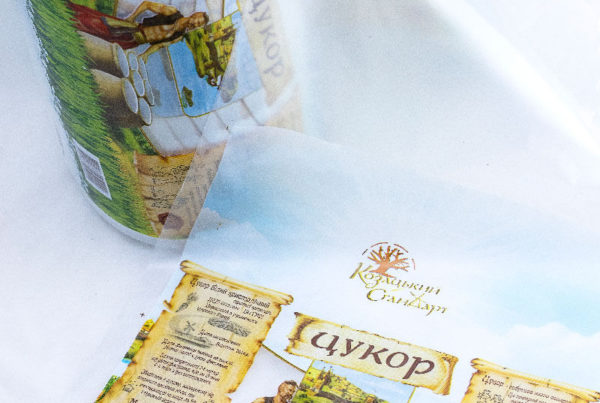
BOPP film is one of the most popular materials for grain packaging. It is characterized by high transparency, allowing consumers to see the product, elasticity, tear resistance, and resistance to moisture and foreign odors. This material is also suitable for flexographic printing, which allows for vibrant and durable designs on the packaging, increasing product attractiveness on the shelf.
Flexible Roll Packaging
Flexible roll packaging is also a popular choice for packaging grains. It is lightweight, durable, and economical in production and transportation. Flexible packaging allows for different forms of bags and quality printing, making it a convenient and attractive option for various products.
Sizes and Configurations of Grain Packaging
The choice of packaging sizes depends on the type of grains and the volume of the product. Optimal sizes range from 300 to 400 mm in width and from 30 to 50 microns in thickness. These dimensions ensure reliable packaging and convenient transportation, prevent damage and preserve product quality.
Selection of Materials for Grain Packaging
The primary materials used for grain packaging include BOPP, CPP (cast polypropylene), and LDPE (low-density polyethene). Each of these materials has its advantages and can be combined as needed. For example, BOPP film provides transparency and moisture protection, while CPP adds elasticity and improves the packaging’s sealing capability.
Technological Processes for Grain Packaging Production
Packaging production involves technologies such as flexographic printing, lamination, and perforation. Flexographic printing allows for the application of vibrant and durable images on the packaging, enhancing product appeal. Lamination offers additional protection from external influences, while perforation allows for ventilation, which is especially important for certain types of grains.
Ordering Grain Packaging
The process of ordering packaging involves selecting the material, size, and printing type. It is essential to consider minimum order quantities and production times, which can vary depending on the packaging type and supplier. The company “Artha-S” offers various packaging options with minimum orders starting from 20 kg.
Examples of Successful Grain Packaging
Properly selected packaging ensures that grains remain fresh and appealing for extended periods. For instance, using BOPP film for packaging buckwheat or rice provides moisture protection and preserves the product’s aroma. Such solutions help extend the product’s shelf life and increase its appeal to consumers.
Conclusion
Choosing the right material and type of packaging for grains is a key factor for business success. Quality packaging not only protects the product but also makes it appealing to buyers. Given the demands of the modern market, manufacturers should carefully select materials and production technologies to ensure the best storage and transportation conditions for their products.