Packaging for Pasta
Packaging for pasta plays a key role in preserving product quality. Properly selected materials protect pasta from moisture, dust, and foreign odours while maintaining its taste properties. At the same time, the packaging must be resistant to punctures. Modern packaging technologies extend shelf life, increasing the product’s appeal on store shelves.
Current Trends in Choosing Materials for Pasta Packaging
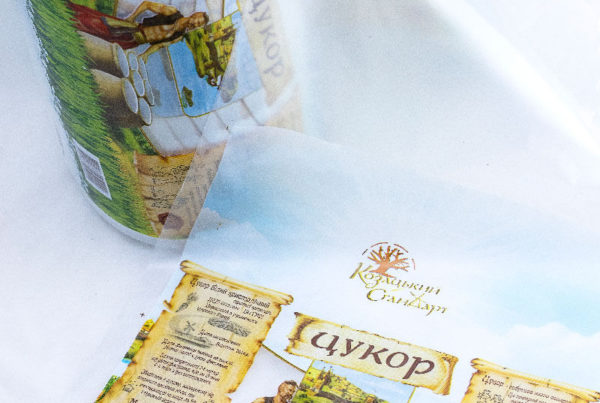
Today, companies specializing in producing packaged goods increasingly choose multilayer materials that provide a high level of product protection. One of the most popular materials is transparent BOPP film, which combines an aesthetic appearance with excellent protective properties.
Why Is High-Quality Packaging Important for Preserving the Taste and Freshness of Pasta?
High-quality packaging keeps the product fresh by protecting it from moisture and oxidation. Using innovative solutions, such as films with antibacterial properties or films with enhanced mechanical strength, guarantees maximum pasta freshness during transportation and storage.
Types of Packaging for Pasta
 Transparent BOPP Film
BOPP film is characterized by transparency, elasticity, and tear strength, making it an ideal choice for pasta packaging. Its advantage is the ability to see the product, which increases its appeal to customers. This film also has high barrier properties, protecting pasta from moisture and foreign odours.
Multilayer Roll Packaging
This type of packaging is a versatile solution as it offers protection, cost efficiency, and convenience in use. Multilayer materials allow for the combination of different films (BOPP, CPP, PE) to provide the necessary protective characteristics. These materials are suitable for pasta with sharp edges, as they withstand mechanical damage.
Sizes and Configurations of Pasta Packaging
Pasta packaging can come in different sizes and configurations, depending on the type and quantity of the product. For example, narrow packages are often used for long pasta, while bulkier packaging is used for shorter pasta. The standard film thickness for such products ranges from 40 to 50 microns, preventing punctures.
Choice of Materials for Pasta Packaging
BOPP film is one of the best options for preserving pasta due to its transparency, elasticity, and resistance to external factors. Additionally, BOPP can be combined with other materials, such as CPP or PE.
Technological Processes for Producing Pasta Packaging
Modern technologies, such as flexographic printing, allow for the production of bright and attractive packaging that draws consumers’ attention. Lamination provides additional protection from moisture and mechanical damage, making the packaging more durable.
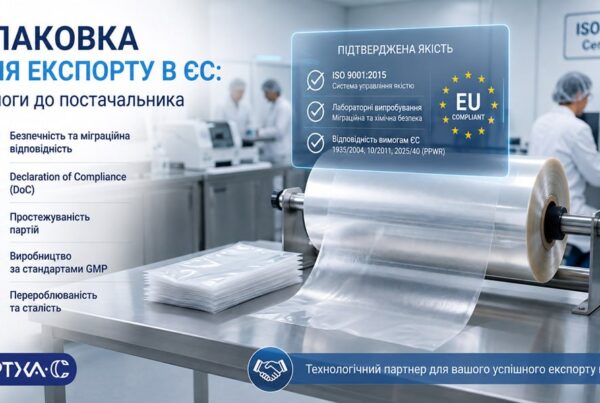
Ordering Pasta Packaging at Artha-S
The ordering process for packaging at Artha-S is simple and convenient: from material selection to receiving the finished product. The minimum order volume for the transparent film is 50 kg, and for printed film from 100 kg.
Examples of Successful Use of Pasta Packaging
Companies that use high-quality packaging for pasta notice an increase in product shelf life and enhanced attractiveness on store shelves. A vivid example is the use of multilayer roll packaging, which provides a high level of protection and improves the product’s appearance.
In Conclusion
Properly selected packaging for pasta ensures not only the preservation of its quality but also increases sales due to its attractive appearance. Companies striving to guarantee the quality of their products should pay attention to modern materials and technologies for packaging.